
Not-at-Fault Car Accident Claims
What to check before you agree to towing, repairs, a replacement car or help recovering your costs.
The crash wasn’t your fault. You still have decisions to make about where your car goes, who can work on it and who pays if the full cost isn’t recovered. Those decisions can come quickly, sometimes while you’re still at the roadside.
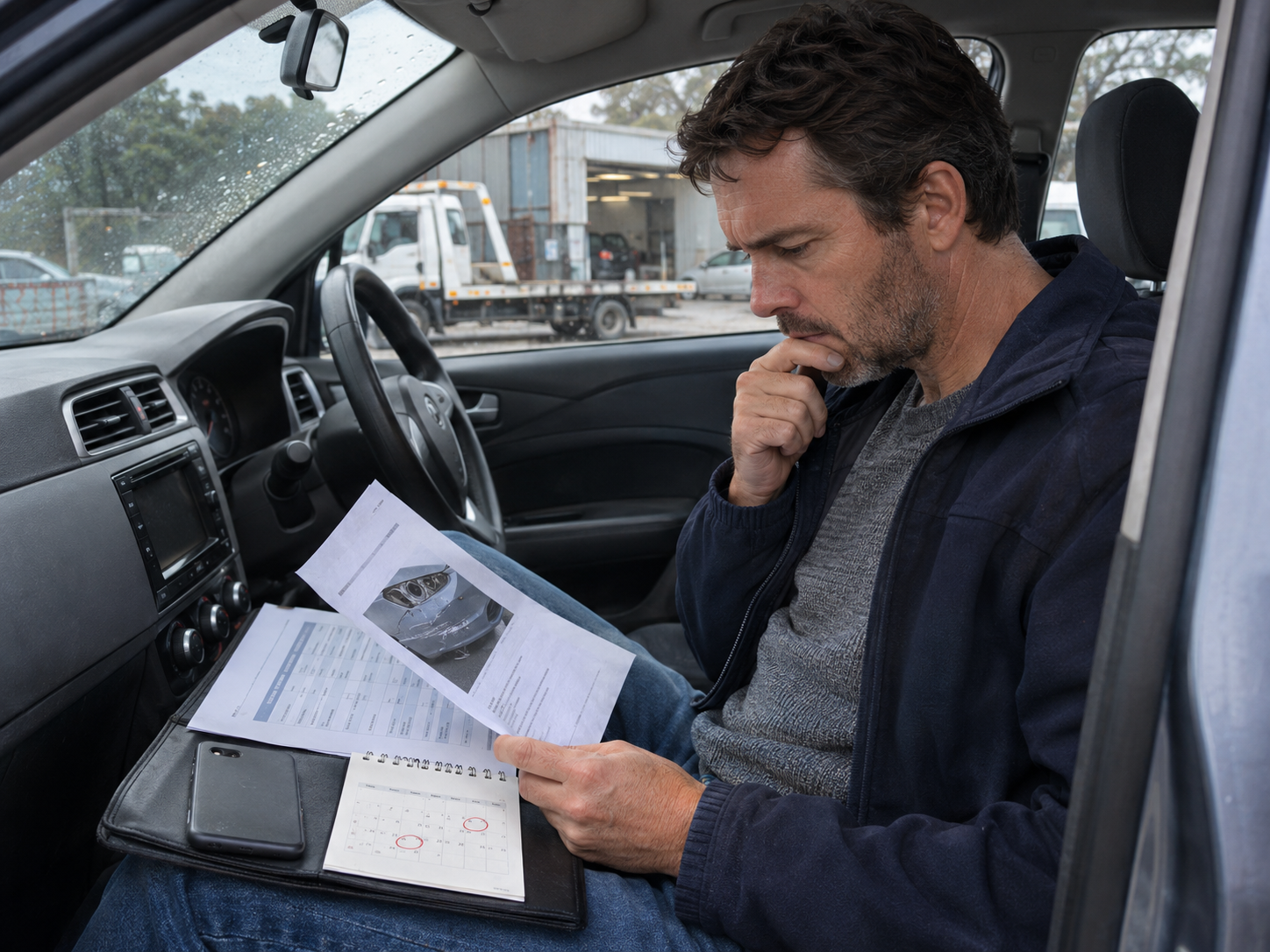
Before you sign, ask for a copy and get three answers in writing. Who am I engaging? What am I authorising? What could I owe if the other insurer pays only part of the bill, or nothing at all? The Victorian Legal Services Board and Commissioner has warned that some forms presented after a crash can authorise a business to engage a lawyer or even start proceedings in the motorist’s name.
Link for Regulator Guidance.
Check what your insurer can do, then weigh your options.
If you have motor insurance, contact your insurer early and ask what help is available under your policy. Ask who will arrange the tow, assess the damage and authorise repairs. Check whether you have a choice of repairer, whether a replacement vehicle is covered, and what excess may apply.
If the claim is going nowhere, ask what is holding it up. Is the insurer waiting for information, has it booked an inspection, or has it made a decision? Ask who is responsible for the next step and when you can expect it. If storage or hire charges are building up, flag that in writing and ask who will cover them. If the issue remains unresolved, you can make a formal complaint to the insurer and check whether AFCA can help.
Depending on your cover and the circumstances, you may be able to claim under your own policy, pursue the other party or deal with their insurer, or arrange towing, a repair or a hire car yourself. A recovery business may also offer to organise those services for you. Ask who pays while the claim is unresolved and who covers any shortfall. If the issue is what your car was worth or what repairs it needs, an independent assessment can help establish the facts. If the issue is what you’ve signed, who can act in your name or what you could owe, seek independent legal advice.
What if I pursue the other driver for the damage?
If you believe the other driver caused the crash, you can seek payment from them for the damage and other reasonable costs. If they’ve lodged a claim, you may end up dealing with their insurer. Ask for the claim reference, whether the insurer has accepted liability, and whether it wants to inspect your car before repairs begin. Ask what it has agreed to pay or arrange, and get that in writing. Financial Rights Legal Centre guidance
This is where the pressure can build. Your car needs to go somewhere. You may need another car for work tomorrow. Your insurer may be slow to act, or you may have no comprehensive cover. A tow operator, repairer, hire company or accident management business may offer to take care of everything and recover the cost from the other side. That can sound like a way forward, especially when nobody else is giving you a clear answer. Victorian legal regulator guidance
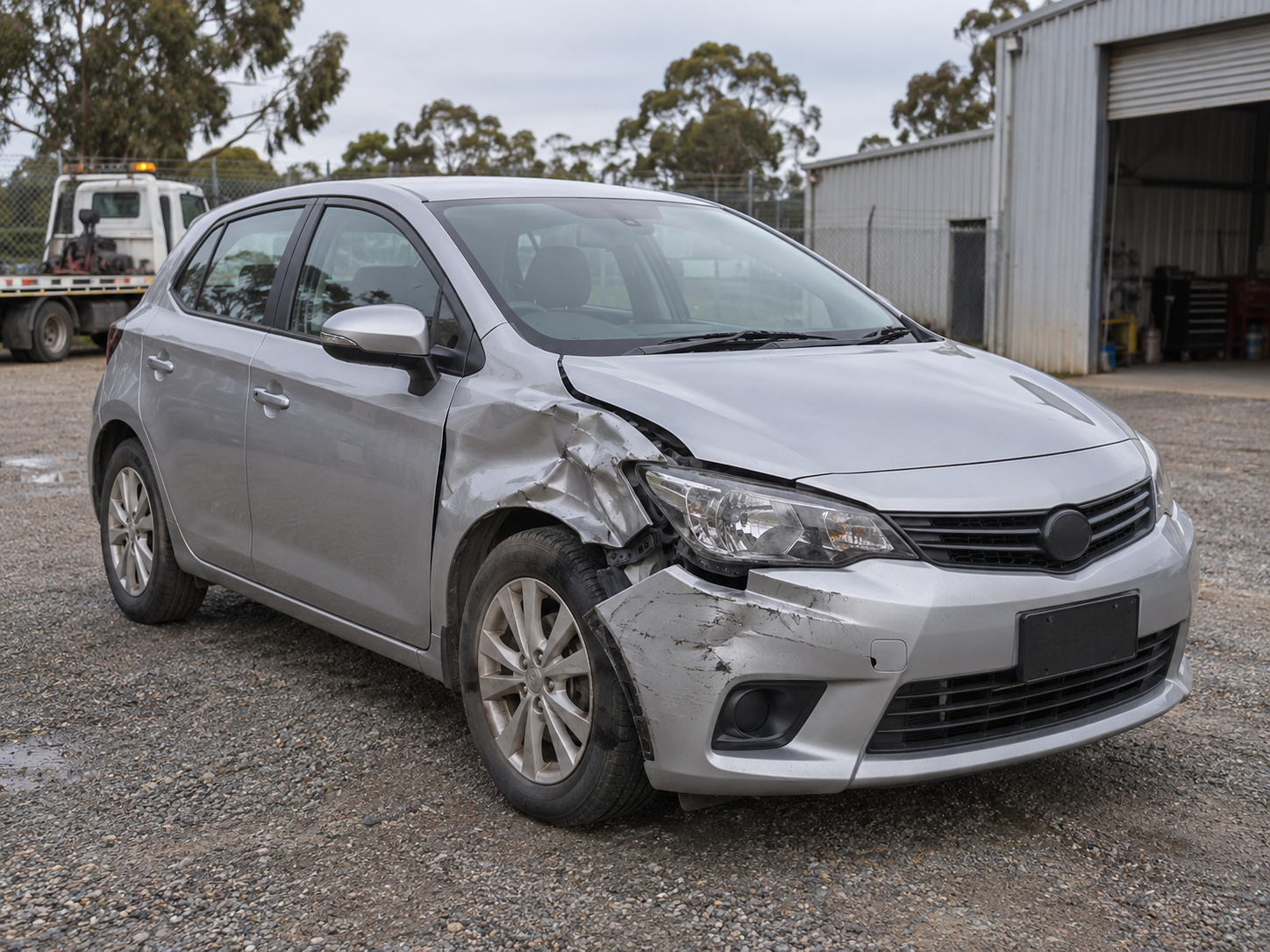
Storage charges can build while you’re waiting for an answer. Your car may be sitting at a tow yard or repair shop while the other insurer decides whether to accept liability or arranges an inspection. Ask the yard when storage charges started, the daily rate, the total so far and what it requires to release the car. Ask the insurer in writing whether it will cover storage, for which dates, and when it can inspect the vehicle. If there’s no clear timetable, ask whether the inspection can take place at a different location and check what a second tow would cost. Ask for the release terms before signing any repair or recovery authority just to get things moving. Victorian towing and storage guidance
Before you agree, ask what happens if the other side disputes the bill or pays only part of it. Who can hold or release your car? Who owes the repair or hire shortfall? Does the paperwork let someone appoint a lawyer or start a claim in your name? Ask for a copy of each agreement and get those answers in writing. You can ask to deal with the immediate need, such as a tow to a destination you’ve chosen, before deciding who will handle the rest. Victorian towing guidance
Why might the other insurer send me back to my own?
Some insurers have used agreements that let each company handle its own customer’s vehicle damage without having to recover the cost from one another. These are sometimes called knock-for-knock agreements. They can reduce claims administration costs and may help explain why the other insurer directs you back to your own, even when you believe the other driver was at fault. Industry background
If you’re sent back to your own insurer, ask what it will actually cover. Will it handle the claim under your policy? Will you have to pay an excess? Can you choose your repairer, and is a hire car included? If you’re left with expenses your policy doesn’t cover, ask who will consider them.
If you don’t have comprehensive cover, tell the other insurer upfront. Ask it to explain in writing what it can consider and what information it needs from you.
1. Where is my car, and can I get it back?
In Victoria, an accident tow operator must explain your right to choose a destination and give the signer a copy of the authority to tow. A tow operator or anyone else at the accident scene is prohibited from soliciting repair work there. Before signing, check the destination, the operator’s details, the tow charge, when storage starts and what it will cost to move the vehicle again. Regulated metropolitan accident towing charges apply in specified circumstances. Regional and rural Victoria have no set accident towing charges. Transport Victoria
NOTE: Each state / territory has its own legislation. These victorian rules may not be applicable if your outside Victoria.
“Car napping” is the term the Victorian legal regulator uses for situations where people have trouble getting their vehicle back after signing up for post-crash services. If release is refused, ask in writing for the vehicle’s location, a copy of each signed authority, an itemised account and the basis on which the business says it can keep the vehicle. Request access to personal belongings separately and keep a record of any new storage charges. Transport Victoria takes accident-towing complaints about fees and release of vehicles or belongings. Seek prompt legal advice if the vehicle remains held or charges keep accumulating. A claimed right to retain it depends on the facts and the authority or agreement involved. VLSB+C
Australian case. In Wong v Maroubra Automotive Refinishers Pty Ltd [2015] NSWSC 222, the NSW Supreme Court examined the signed towing documents and the circumstances in which two vehicles were held. It found the repairer had no lien over either vehicle on those facts. The case shows why the signed document and the work actually authorised matter when release is disputed.
2. Who pays for the replacement car?
A replacement car can be arranged under your own policy, supplied by the other insurer, hired by you directly or provided under a credit-hire agreement that defers payment while the provider seeks to recover the bill. Ask which arrangement you’re entering. If you’re told the car is “free” or there’s “no cost to you”, ask the provider to point to the clause that tells you what happens if recovery fails, is delayed or covers only part of the bill. VLSB+C
You can sign for a hire car in minutes, while the bill can build for weeks. When you need a car for work tomorrow, “no upfront payment” can sound like the cost is taken care of. Under some credit-hire agreements, your release from the hire charges depends on meeting conditions, such as helping the provider recover the bill. One published Australian agreement expressly makes that release conditional and leaves the hirer responsible for certain additional charges. To put the daily rate in perspective, $180 a day for six weeks is $7,560 before any extras. Before taking the keys, ask for the daily rate and get this answered in writing: “If the insurer pays only part of the bill, or the recovery fails, exactly what could you charge me, and under which clause?” Sample Australian hire agreement
Check the daily rate, vehicle class, fees, damage excess, any card authority and the date the hire must end. Ask what happens if parts delay the repair, the vehicle is declared a total loss or the insurer makes a settlement offer. Check whether you must supply documents, assist with recovery, give evidence or attend court, and whether failing to cooperate changes what you owe. Keep the signed agreement, the hire dates and the reasons you needed the car. VLSB+C
Australian case. In Arsalan v Rixon and Nguyen v Cassim [2021] HCA 40, the High Court recognised that hiring a broadly equivalent replacement at a reasonable price can be a reasonable response to losing the use of your vehicle. The rate, the period claimed and any credit-hire charges can still raise separate questions. Your obligation to the hire company depends on your agreement with it.

3. What have I authorised the repairer to do?
Ask for a written scope and price before work begins. A quote sets out proposed work and pricing. A repair authority gives permission to proceed within its terms. An insurer’s approval records what that insurer has agreed to fund. Check each document for who is responsible for payment and how additional work will be approved. Ask whether you’re authorising inspection, dismantling, parts orders or the full repair, and who pays if the car is declared a total loss after dismantling. Consumer Affairs Victoria
Put the shortfall question plainly. “If your final bill is $9,000 and the insurer agrees to pay $7,000, who owes the remaining $2,000 under this agreement?” Get the answer in writing before work starts. Require written approval for extras, and ask for the final itemised invoice and supporting records. If the insurer wants to inspect the damage, agree on a workable inspection arrangement before repairs remove evidence. Keep records of any delays, why they occurred and what was done to limit added storage or hire costs.
4. Who assessed the damage, and what evidence supports it?
A repairer’s quote tells you how that business proposes to repair the car and what it proposes to charge. An insurer’s assessment records its assessor’s view. A technical opinion can be commissioned by an owner, insurer or solicitor. To understand how much weight to give any report, ask who engaged and paid the assessor, what instructions they received, what they inspected, what evidence they relied on, and whether their fee or any referral arrangement depends on the outcome. Corsa Dynamics
Look for an explanation of how the damage relates to the crash, why parts need repair or replacement, what repair methods were used and what the assessor could verify. Depending on the dispute, the relevant records could include pre-repair and in-process photos, measurements, scan or calibration records, invoices, or comparable vehicles for a pre-accident valuation. If the issue is a total loss, ask for the valuation evidence, condition and kilometre adjustments, salvage figure, and who will retain or collect the vehicle.

5. Who can act in my name?
Read every authority, even when it comes bundled with a tow, repair or hire agreement. Check who can appoint a solicitor, issue a demand, start proceedings, agree to a settlement, receive money or sign a release. Ask who receives any settlement, which fees can be deducted, how you can end the arrangement and what charges then become payable. If a lawyer contacts you, ask directly who their client is, who retained them, how they are paid and whose instructions they take. Ask for the engagement and costs documents and an explanation of any conflict or referral relationship. VLSB+C
Get independent legal advice promptly if you discover proceedings may have started in your name, receive court papers, face a disputed vehicle hold, or are asked to sign a release while hire, repairs or other amounts are still unresolved. Ask what the release covers and what remains payable after signing. If served with court papers, record the service date, check the deadline, notify any relevant insurer and seek advice immediately. Confirm any change to a court deadline through the proper process. VLSB+C
Victorian case. In Victorian Legal Services Commissioner v Logan [2022] VSC 97, the Supreme Court ordered a solicitor’s removal from the roll. The regulator reported that the underlying conduct included taking legal action for people without their knowledge, consent or instructions. If you suspect a case has been started in your name, the Magistrates’ Court of Victoria can help you check whether it exists, its stage and the lawyer recorded as acting for you. The Victorian legal regulator takes complaints about lawyers.
6. When can AFCA help?
A dispute with your own insurer. Make a written complaint to the insurer. State what you dispute, what evidence you want it to address and the outcome you’re seeking. Attach a brief chronology and the relevant quotes, photos, assessment or correspondence. For complaints covered by ASIC’s internal dispute resolution requirements, insurers generally have 30 calendar days to provide a written response. If you remain dissatisfied or the response is overdue, check your options with the Australian Financial Complaints Authority (AFCA). Time limits apply, so raise the issue promptly. download.asic.gov.au
A dispute with the other driver’s insurer. AFCA has a specific pathway under Rule B.2.1(f) for eligible uninsured motorist complaints. Broadly, your vehicle must lack comprehensive cover, the other party must generally have made a valid claim, and the amount in dispute must fall within the applicable limit. AFCA’s October 2026 guidance lists a $19,000 limit for this pathway. A narrow exception may apply under section 51 of the Insurance Contracts Act if the insured has died or cannot be found after reasonable inquiry and the statutory conditions are met. An unpaid excess can affect the amount payable, while a claim may still be valid if the excess is the only outstanding issue. Ask AFCA to confirm eligibility on your facts. afca.org.au
What AFCA can consider under that pathway. Its guidance includes vehicle damage and reasonable directly connected towing, storage and assessment costs where warranted. It excludes indirect financial loss such as replacement hire and lost income under this particular jurisdiction. A potential court claim can cover different losses, so get advice before accepting an AFCA determination or settlement if a substantial part of your loss falls outside the complaint. afca.org.au
Can I recover the cost of an independent report? There are two questions. Was the assessment a reasonable cost directly connected to establishing the vehicle damage or repair? Or was it professional work needed to pursue the AFCA complaint? Under Rule D.5, AFCA can decide to award a contribution to eligible professional or other specified complaint costs, generally up to $5,000 unless special circumstances apply. A contribution is discretionary. Keep the invoice, the scope of work and a record of why the report was needed.
Where to go for help ?
What’s happeningWho to contactThe accident tow operator won’t release the vehicle or belongings, or you dispute its charges Transport Victoria – tow truck complaints
You dispute repair authorisation, work or charges Consumer Affairs Victoria – car services and repairs
A lawyer says they act for you and you’re unsure what you authorised
Victorian Legal Services Board and Commissioner
You dispute an insurer’s decision, delay or handling The insurer’s complaints team, then AFCA if eligible
You have court papers, a proposed release or a dispute about what you owe . A solicitor or community legal centre. Victoria Legal Aid – driving, accidents and insurance
Where Corsa Dynamics can help
If the dispute turns on what was damaged, what repairs were reasonable, what was actually done or what the vehicle was worth before the crash, Corsa Dynamics can review the evidence and explain whether an independent technical assessment would help. For advice about liability, contracts, settlement terms or court proceedings, speak with a solicitor.